Participant Success Stories- How Community-Based Care Transforms Lives
Coordinated care, trusted community partnerships, and the support people need to live safely, heal fully, and thrive.
Every story begins with a person navigating a health challenge, a life transition, or barriers to the care they need.
At Partners in Care Foundation, we work alongside healthcare providers, health plans, and trusted community organizations to bridge the gap between medical care and the services people rely on every day.
Through coordinated care and strong community partnerships, individuals are connected with support that helps them remain safely at home, stabilize their health, and regain independence.
The stories below reflect the impact of community-based care in action. They show how trusted relationships, coordinated services, and local support can transform lives.

Care Transitions
Thirty Days That Made a Difference
At 90, Henry had learned how to live carefully.
A pelvic fracture, arthritis, and hypertension meant he depended on a few hours of In-Home Supportive Services (IHSS) each week. As long as nothing disrupted that routine, he managed well.
But after a serious hospitalization for sepsis, the balance he had built began to slip. When Henry returned home, he felt weaker than he expected and unsure how he would manage recovery on his own.
Through Partners in Care Foundation’s Care Transitions program, a Care Transitions Coach visited Henry shortly after he returned home. Together, they focused on the practical steps that would help him regain stability: reviewing medications, identifying early warning signs, and discussing simple safety adjustments in the home.
During the visit, it became clear that Henry did not have enough IHSS support to recover safely. With guidance from the Care Transitions Coach, Henry navigated the reassessment process and ultimately secured the maximum level of IHSS hours available—support he would not have been able to access on his own.
The Care Transitions Coach also encouraged Henry to contact his primary care physician, a step he had been postponing. With that support, he scheduled an appointment the same week, ensuring new symptoms were addressed and his recovery stayed on track.
With additional help for meals, bathing, housekeeping, and mobility, Henry was able to focus on healing.
What began as a vulnerable moment after hospitalization became a turning point.
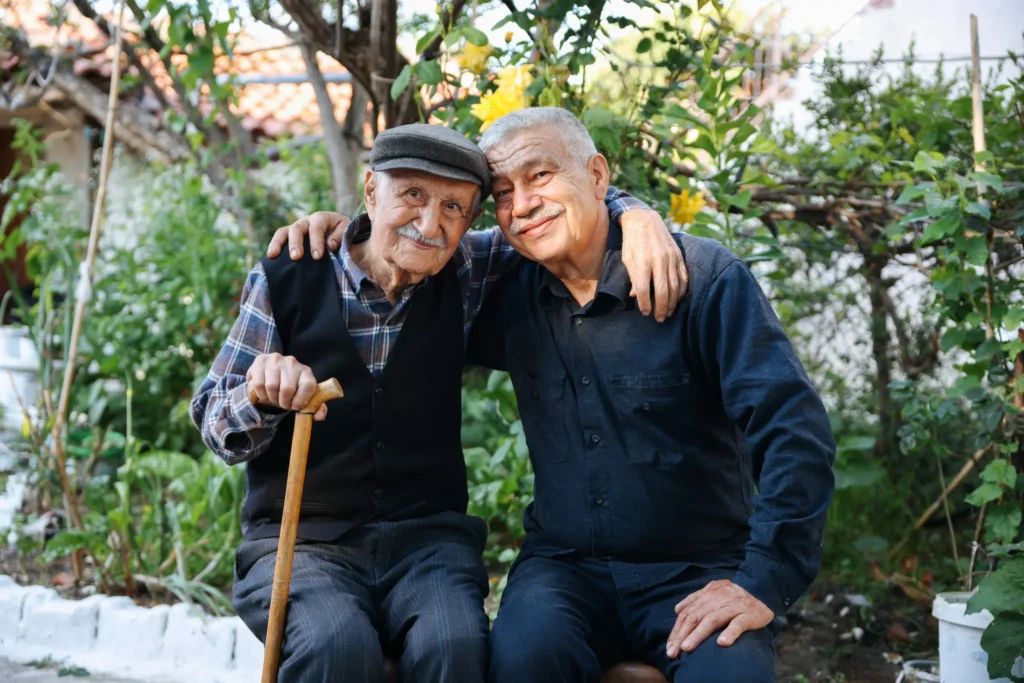
With the right guidance at the right time, Henry regained stability and remained safely at home, avoiding the setbacks that often follow hospitalization.
Enhanced Care Management
From Homelessness to Stability: ECM That Changed the Trajectory of Care
When Tara enrolled in Enhanced Care Management (ECM) in mid-2024, she was experiencing homelessness while managing serious mental illness and substance use disorder. Without stable housing or daily support, her health needs were going unmet and care engagement was inconsistent.
Partners in Care Foundation’s ECM team worked closely with Tara to address the barriers that were disrupting her health. Through intensive, person-centered care coordination delivered both in person and through telehealth, the team focused first on stabilization.
They helped Tara apply for In-Home Supportive Services (IHSS) so she could receive assistance with daily living activities. At the same time, the team worked with her mental health provider and connected her with Section 8 housing resources, helping secure a stable place to live.
Partners also coordinated additional supports that strengthened her recovery, including medically tailored meals and durable medical equipment. A walker was provided to improve mobility and reduce the risk of injury.
The change in Tara’s stability was profound.
With housing and in-home support now in place, Tara reports feeling safe and secure. That stability has allowed her to stay engaged in care, attend appointments, and actively manage health conditions that once felt overwhelming.
“Partners was there for me.”
— Tara
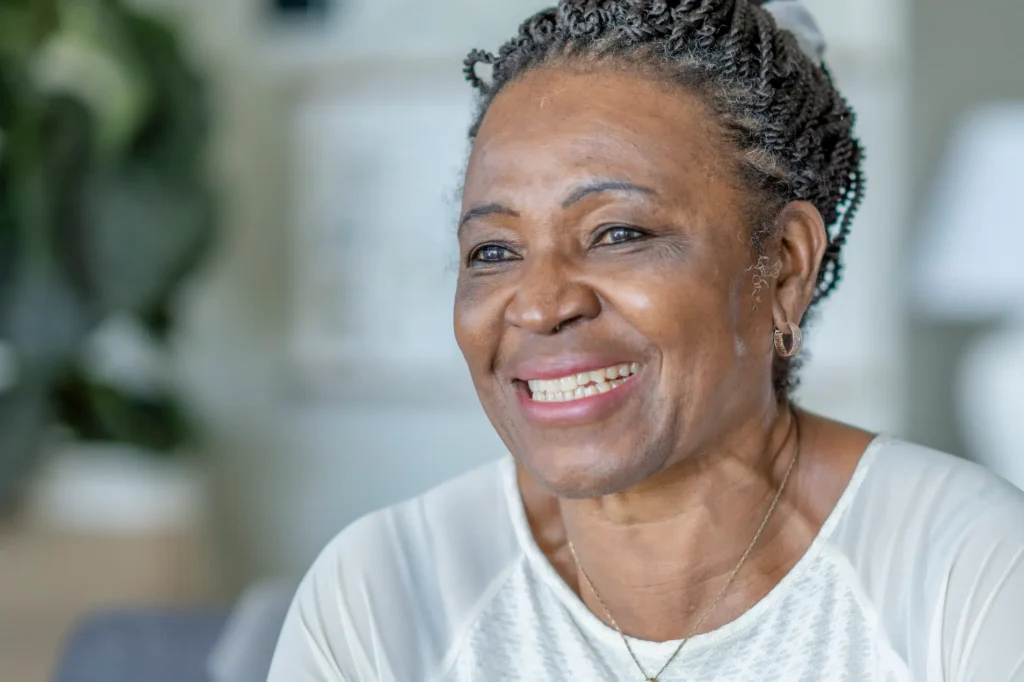
What began as instability became a foundation for recovery
Dementia Care Stabilized Through Culturally Responsive Support
How Community-Based Care Helped a Family Navigate Advanced Dementia
When Mrs. Galvez was referred to Partners in Care Foundation, her family was overwhelmed.
Living with advanced dementia, her care needs had grown increasingly difficult to manage, even with the devoted support of her husband. As her condition progressed, communication became more challenging, daily routines broke down, and safety concerns escalated.
When Mrs. Galvez moved into her son’s home, the family hoped they could manage her care together. But dementia had made communication difficult, and unfamiliar surroundings increased her agitation. The situation became even more challenging because the family struggled to find care providers who spoke Spanish and could communicate clearly with Mrs. Galvez.
Without someone who understood her language and cultural needs, even basic care became difficult. The family was doing everything they could, but they were exhausted and unsure how to navigate the services their mother needed.
Partners stepped in to help stabilize the situation.
Working closely with the family, Partners arranged comprehensive in-home support from a Spanish-speaking Home Care Aide carefully matched to Mrs. Galvez’s cultural and communication needs. Being able to speak in her own language helped reduce confusion and distress and allowed trust to begin forming again in the home.
At the same time, Partners helped the family navigate the process of securing long-term In-Home Supportive Services (IHSS). Care coordination continued throughout the transition, ensuring there were no gaps in support during a particularly vulnerable time.
Once IHSS services were approved, care continued smoothly and consistently, giving the family confidence that Mrs. Galvez would receive the support she needed.
What began as a moment of crisis became a path toward stability.

"Partners was there for us, and it made all the difference in our mother's care and in our lives."
— Mrs. Galvez's son
Home & Community Based Alternatives (HCBA) Waiver
Bridging Hope When Care Can’t Wait
For many individuals with complex care needs, accessing Home & Community-Based Alternatives (HCBA) Waiver services can take months, and sometimes years. During that time, the need for care doesn’t stop.
When Sarah was referred to Partners in Care Foundation, she had just returned home from the hospital. She was still recovering, her family was overwhelmed, and she had been placed on the HCBA Waiver waitlist. They didn’t know how she would safely recover at home while waiting for services to become available.
Rather than leaving Sarah without support, Partners connected her to immediate services through its statewide Community Care Hub. Her care manager coordinated CalAIM Enhanced Care Management (ECM) and Community Supports, arranging transportation, home-delivered meals, and the day-to-day assistance she needed to focus on her recovery.
Those services provided critical support during one of the most vulnerable times in Sarah’s recovery. Instead of facing months of uncertainty on her own, she had a care team helping her navigate each step while preparing for long-term services.
By the time Sarah’s HCBA Waiver slot became available, she was able to transition directly into long-term services without any gaps in care.
Sarah’s story is a reminder that recovery cannot always wait. By connecting individuals to available resources while they wait for long-term programs, Partners helps ensure that people receive the right support at the right time.

"When I didn't know where to turn, Partners found answers, connected me to support, and gave me hope when I needed it most."
Urgent Needs Fund
A Second Chance — and a Future Reclaimed
Artur came to the United States as a child. Over the years, the country he once called home no longer recognized him as a citizen.
When his work authorization expired, everything began to unravel. Without legal authorization to work, he lost his job. Without income, he couldn’t afford the fees required to renew his documentation.
The consequences reached far beyond unemployment.
Without renewed work authorization, Artur faced the possibility of deportation to a country that no longer existed for him and where he had no life, no support system, and no way to start over. With no public programs available to help cover the costs, he had nowhere to turn.
Through Partners in Care Foundation’s Urgent Needs Fund, immediate financial assistance made it possible for Artur to renew his work authorization before it was too late. What could have become a life-altering crisis instead became an opportunity to rebuild.
The impact was immediate.
With his documentation renewed, Artur was able to return to work, continue his medical treatment, and begin preparing to move into stable housing.
Artur’s story is a reminder that sometimes a relatively small investment, made at exactly the right moment, can change the course of someone’s life. By responding quickly when no other resources were available, Partners helped preserve not only his stability—but his future

"They didn't have to help me. But they did — and it changed everything."
Workforce Development Training Center
From Lived Experience to Community Leadership
Miguel had something no textbook could teach. He understood the challenges many people in his community were facing because he had lived them himself.
When he began working as a Community Health Worker, Miguel quickly realized that lived experience alone was not enough. He found it difficult to separate his own experiences from those of the individuals he was helping and needed the skills to establish healthy boundaries.
Through Partners in Care Foundation’s Community Health Worker Training Program, Miguel gained the knowledge and skills to respond to complex situations with professionalism, empathy, and confidence.
The training didn’t change Miguel’s passion for helping others. It gave him the tools to channel that passion in a way that was both effective and sustainable. He learned how to build on his lived experience, without losing sight of his own well-being.
Miguel’s story reflects a challenge facing healthcare organizations across the country. Community Health Workers have the potential to transform how care is delivered, but that potential cannot be realized through lived experience alone.
Organizations must invest in specialized training, supportive supervision, and leadership development to equip Community Health Workers, and the leaders who support them, with the skills to succeed. That’s how organizations build a resilient workforce that improves outcomes and helps lead the future of community-based care.